
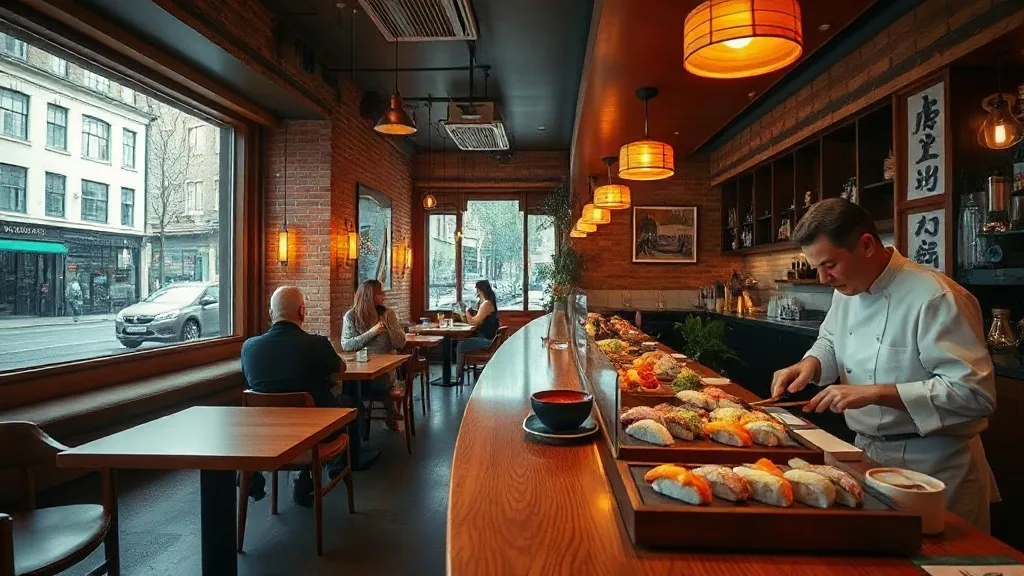
London's appetite for Japanese cuisine has never been more voracious. Over the past decade, the city has transformed from a place where sushi meant pre-packaged triangles from the local supermarket to a destination with a Japanese restaurant for every occasion and budget. At the high end, six-seat omakase counters demand reservations weeks in advance; at the other, family-run izakayas in quiet residential corners serve steaming bowls of ramen and grilled skewers to regulars who greet the chef by name. This evolution isn't just about food—it's a reflection of London's changing palate, its openness to culinary craftsmanship, and the sheer diversity of its dining public.
The rise of omakase: intimacy over extravagance
Omakase, which translates roughly to "I'll leave it up to you," has become the ultimate expression of trust between diner and chef. In London, this style of dining has found a particularly fertile ground. Unlike the grand dining rooms of high-end kaiseki, omakase counters are deliberately small—often seating just six to ten guests—and focus intensely on the chef's selection of sushi and small plates. The experience is part theater, part education, as the chef explains each piece, its origin, and the best way to enjoy it.
What's driving this trend? According to industry insiders, it's a combination of factors: a growing appreciation for sushi as an art form, the influence of social media (where a beautifully composed nigiri can go viral), and a desire for unique, Instagrammable experiences. But beyond the hype, these counters offer something more substantial: a direct connection to the craft. London's top omakase counters are not just restaurants; they are classrooms where diners learn about aging fish, the nuances of shari (sushi rice), and the importance of temperature.
One notable example is a tiny counter in Marylebone that serves only eight guests per seating. The chef, who trained in Tokyo for over a decade, sources fish from Cornwall and Scotland, aging them in a temperature-controlled cabinet to intensify flavor. The menu changes daily based on what's available, and the omakase might include anything from line-caught sea bass to Hokkaido scallops. It's this unpredictability that keeps diners coming back.
Neighborhood gems: where locals go for comfort
While omakase counters grab headlines, the heart of London's Japanese food scene beats in its neighborhood restaurants. These are the places where you'll find families sharing plates of gyoza, office workers slurping down ramen at lunch, and students celebrating a birthday with okonomiyaki. They may not have Michelin stars, but they have something equally valuable: consistency, warmth, and a sense of community.
Take, for instance, the izakayas that have popped up in areas like Peckham and Stoke Newington. These casual pubs serve small plates designed to be shared over drinks—think yakitori, edamame, and karaage. The atmosphere is lively, often with a soundtrack of J-pop or jazz, and the prices are reasonable. Neighborhood Japanese restaurants in London have become vital community hubs, offering a taste of Japan without the formality.
Another category of neighborhood gem is the specialist shop that doubles as a café. In places like Ealing and Croydon, you'll find Japanese bakeries selling fluffy shokupan (milk bread) and matcha rolls, alongside small eateries serving donburi and curry. These spots cater to the growing Japanese expat community and to locals curious about everyday Japanese food, not just sushi.
What's driving the boom?
Several factors have contributed to the proliferation of Japanese restaurants in London. First, the city's cosmopolitan population includes a significant Japanese community, which creates demand for authentic ingredients and flavors. Second, travel to Japan has become more accessible, and British diners return with a taste for the real thing. Third, social media has amplified interest in Japanese cuisine, from the precision of sushi-making to the comfort of ramen.
But perhaps the most significant driver is the increasing sophistication of London's dining public. Diners are more knowledgeable than ever, thanks to food documentaries, cooking shows, and a general curiosity about global cuisines. They understand the difference between sashimi and sushi, they know that wasabi is a root vegetable (not just green paste), and they're willing to pay for quality. This has encouraged chefs to open specialized restaurants rather than trying to be all things to all people.
Challenges and opportunities
Despite the boom, opening a Japanese restaurant in London is not without challenges. High rents, staffing shortages, and the difficulty of sourcing authentic ingredients are constant hurdles. The pandemic exacerbated these issues, with many restaurants forced to pivot to takeaway or close temporarily. However, it also sparked innovation—some omakase counters began offering DIY sushi kits, while izakayas launched online cooking classes.
Looking ahead, the future of Japanese dining in London seems bright. There's a growing interest in regional Japanese cuisines beyond sushi and ramen—think Osaka-style okonomiyaki, Hokkaido dairy, and Okinawan bitters. Chefs are experimenting with British ingredients, creating fusion dishes that respect tradition while embracing local produce. And as the next generation of Japanese-trained chefs opens their own places, the quality and diversity are only set to increase.
Frequently asked questions
What should I expect at an omakase counter in London?
Expect an intimate setting, often with only a few seats. The chef will serve a series of small plates and sushi, explaining each one. The meal is typically lengthy (2-3 hours) and expensive, but it's a unique culinary experience. Reservations are essential.
Are there affordable Japanese restaurants in London?
Absolutely. Neighborhood izakayas and ramen shops offer meals for under £15. Look beyond central London—areas like Peckham, Stoke Newington, and Ealing have great value options.
Do I need to speak Japanese to enjoy these restaurants?
Not at all. Most restaurants have English menus and English-speaking staff. At omakase counters, the chef will often explain dishes in English.
What is the dress code for high-end Japanese restaurants?
Smart casual is usually fine. Some places may have a jacket-and-tie policy, so check in advance.
Can I find vegetarian and vegan Japanese food in London?
Yes, many restaurants offer vegetarian options like vegetable tempura, inari sushi, and shojin ryori (Buddhist vegetarian cuisine). However, call ahead to confirm.